Moving Along the I-70 Corridor: Dayton, Springfield and Columbus Relocation Planning
Lorem ipsum dolor sit amet, consectetur adipiscing elit. Suspendisse varius enim in eros elementum tristique. Duis cursus, mi quis viverra ornare, eros dolor interdum nulla, ut commodo diam libero vitae erat. Aenean faucibus nibh et justo cursus id rutrum lorem imperdiet. Nunc ut sem vitae risus tristique posuere.

.png)
I-70 Corridor Move: Dayton, Springfield, Columbus Guide
A practical guide to planning a move between Dayton, Springfield and Columbus along I-70, covering timing, traffic windows, crew logistics and what to expect on moving day.
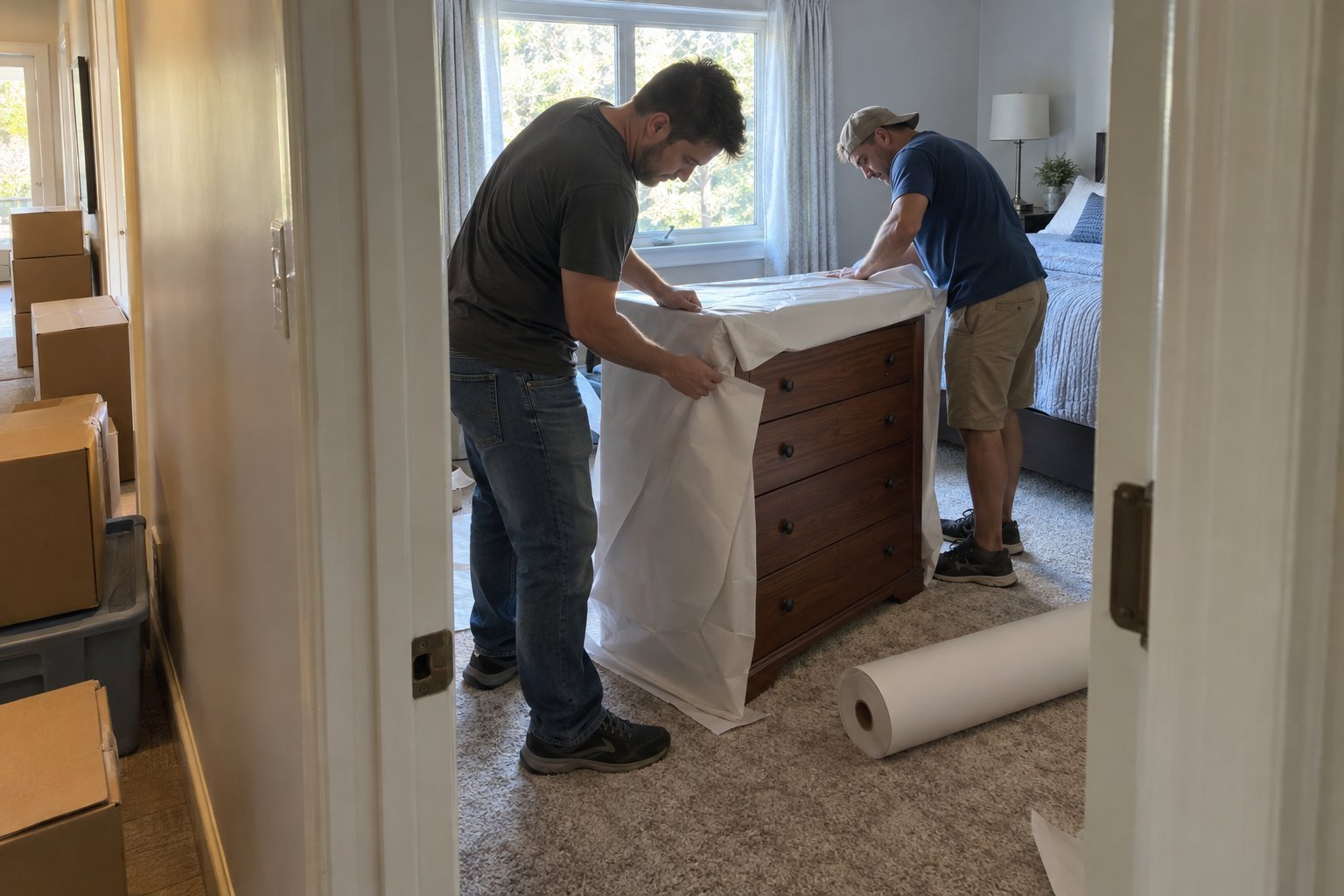
Moving between Dayton, Springfield and Columbus means your whole relocation plays out along a single 70-mile stretch of I-70, and that changes how you should plan it. A corridor move like this isn't quite local and isn't quite long-distance either. It falls in a middle zone where the right scheduling and logistics choices can save you hours on moving day and real money on your bill.
Whether you're relocating for a job at one of the logistics hubs near Columbus, moving closer to family in Springfield, or heading to Dayton for the Wright-Patterson area, the mechanics of the move are similar enough that one plan covers all three legs. Here's how to think through it.
How far is the move, really, and does that change your moving plan?
Dayton to Columbus runs about 70 miles on I-70, with Springfield sitting almost exactly in the middle, roughly 25 miles from Dayton and 45 from Columbus. That distance puts this move in an awkward spot: too far for most people to comfortably do multiple carloads in a single day, but short enough that movers can often complete it in one day with an early start.
This matters for how you book. A same-day move keeps labor costs predictable and avoids overnight storage, but it requires a tighter schedule than a true local move across town. If you're moving a full household, ask your moving company whether your load, drive time and unload fit into one day, or whether you should plan for a two-day timeline with an overnight stop.
When a corridor move behaves like a local move
If you're moving within Dayton, within Springfield, or within Columbus itself, that's a standard local move with none of the corridor considerations below. The planning in this guide is specifically for households relocating from one of these cities to another.
What's the best time of day and week to move along I-70?
Early morning starts, ideally loading by 7 or 8 a.m., give you the best shot at clearing the Columbus and Dayton metro areas before traffic builds. Mid-morning to early afternoon is generally the lightest traffic window on I-70 between the two cities on a weekday.
The stretch through Springfield rarely causes delays, but the approaches into both Dayton and Columbus can slow significantly during the 7 to 9 a.m. and 4 to 6 p.m. commute windows. A loaded moving truck navigating merges and lane changes during rush hour adds real time and stress that a slightly earlier start avoids entirely. Weekday moves also tend to have more availability than weekend slots, which matters if your timeline has any flexibility at all.
Winter adds another variable. I-70 through this part of Ohio can see sudden lake-effect snow bands and icy bridges, particularly between Springfield and the Columbus side. If you're moving between November and March, build in a buffer day and confirm your mover's policy on weather-related rescheduling before you lock in a date.
Should you book one mover for the whole corridor or split the move?
One moving company handling pickup through delivery is almost always the better choice for a Dayton-Springfield-Columbus move. Splitting the job between a local crew at the origin and a different one at the destination introduces handoff risk, duplicate paperwork, and no single point of accountability if something is damaged or delayed.
Because this route sits inside one company's regional footprint rather than crossing into true interstate long-haul territory, you don't need a long-distance moving specialist for the trip itself. What you do need is a crew familiar with all three cities, including parking and loading realities at each end. Downtown Columbus high-rises, for instance, often require loading dock reservations or elevator scheduling that a crew unfamiliar with the building won't know to ask about in advance. Confirm these building-specific details with your residential moving provider before move day so nobody is caught off guard at either end.
If your household includes an older adult moving closer to family along this corridor, whether into a smaller Springfield home or an assisted living community near Columbus, the planning looks different from a standard residential move. Downsizing decisions, medical equipment, and a more deliberate pace at both ends all factor in, which is why it's worth coordinating that kind of move through senior relocation services rather than booking it as a standard same-day haul.
How do you handle logistics when your move crosses three different cities?
Treat the move as having three distinct checklists, one for pickup, one for the drive, and one for delivery, rather than a single generic to-do list. Each city has its own permit rules, parking patterns and building access quirks that affect how smoothly the day goes.
Permits and parking at both ends
Dayton, Springfield and Columbus each have different rules for reserving curb space or loading zones, especially in denser neighborhoods. If either end of your move is in an apartment, condo or downtown building, confirm parking and elevator access with the property management at least a few days ahead. Apartment and condo moving in particular benefits from this kind of advance coordination since building staff often need notice to block an elevator or loading bay.
Staging your inventory by room, not by box count
For a same-day corridor move, loading efficiently matters more than it does for a slower, multi-day relocation. Label boxes by destination room and load the truck in reverse order of unloading, heaviest and least-needed items first. This keeps the unload at the other end moving quickly, which matters when you're racing daylight or a tight crew schedule.
Specialty items that need extra planning
Pianos, hot tubs, gun safes and other oversized or delicate items need their own plan regardless of distance, but a same-day corridor move leaves less room to improvise if something doesn't fit through a doorway or down a staircase. If your household includes any of these, flag it when booking so the crew arrives with the right equipment. Specialty moves generally go more smoothly when handled through heavy and specialty item moving rather than treated as an afterthought on a standard crew's checklist.
What should you expect on moving day itself?
Expect the loading phase to take longer than the actual drive. For a typical household, loading and unloading combined usually take more total time than the 60 to 90 minute drive between any two of these three cities. Plan your day around the labor, not the mileage.
Confirm your crew's estimated arrival window the night before, and have a clear walkthrough plan ready so the lead mover can assess the home quickly once they arrive. If you're downsizing from a larger Dayton or Columbus home into a smaller Springfield property, or vice versa, let your moving company know in advance so they can bring the right truck size and crew count. Getting this detail wrong is one of the more common causes of an underestimated quote turning into a longer, more expensive moving day.
If you want a clear sense of timing and crew size before committing to a date, request a written moving quote that accounts for your specific route and inventory rather than relying on a generic per-mile estimate.
Final thoughts on planning your corridor move
A move along I-70 between Dayton, Springfield and Columbus rewards good scheduling more than almost any other factor. Pick an early weekday start, book one crew for the entire route, and give specialty items and building logistics their own attention ahead of time. Do that, and a 70-mile relocation across three cities can run as smoothly as a move across town.
Frequently Asked Questions
How long does it take to move from Dayton to Columbus with a moving company?
Most households can complete a Dayton to Columbus move in a single day, including loading, the roughly 60 to 90 minute drive, and unloading. The exact timeline depends on home size, crew size, and building access at both ends, so confirm an estimated schedule with your mover before move day.
Is Springfield, Ohio a convenient stopping point for a move between Dayton and Columbus?
Springfield sits almost exactly between Dayton and Columbus on I-70, but most movers won't need to stop there for a same-day relocation. It only becomes relevant to your logistics if Springfield is your actual origin or destination, or if you need an overnight break during winter weather.
Do I need a long-distance mover for a move between Dayton, Springfield and Columbus?
No. This corridor falls within typical regional service areas, so a local or regional moving crew familiar with all three cities can usually handle it in one day without the added cost or complexity of a long-distance interstate move.
What time of day is best to move a truck on I-70 between these cities?
Starting your load by 7 or 8 a.m. on a weekday and finishing the drive before afternoon rush hour generally avoids the worst traffic near both the Dayton and Columbus metro approaches. Weekday moves also tend to have more scheduling flexibility than weekends.
How do apartment or condo moves change logistics along this route?
Apartment and condo buildings in Columbus and Dayton often require advance reservations for loading docks or elevators, so confirming access with building management a few days ahead prevents delays. This matters more on a same-day corridor move since there's less schedule buffer to absorb a late start.

What Our Customers Say
Read genuine feedback from our satisfied customers to understand why we are the trusted choice for moving services.
Moving Ohio Families and Military Members With Care
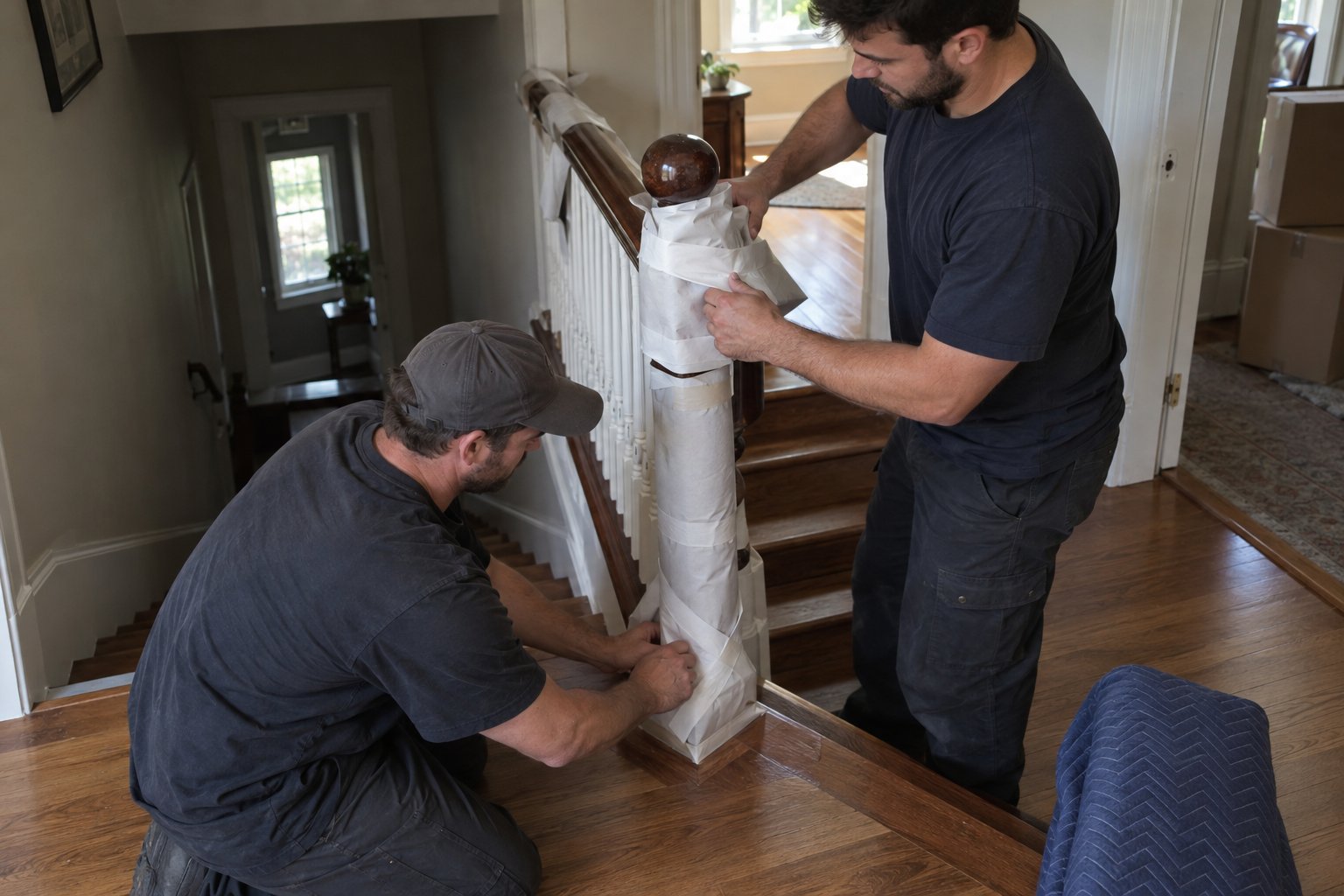
From local Ohio moves to long-distance relocations, Journeymen Moving helps families and military members move with confidence. From the first box to the final unload, our team is here to make your move easier every step of the way.

.webp)
.png)


.png)